100 Years of Aviation
Buffalo Niagara International Airport was founded in 1926 as the Buffalo Municipal Airport, providing passenger and mail service to Cleveland, Ohio. In the century since, it has grown into a crucial hub of connection for the bi-national region of Western New York and the Niagara Region of Ontario.
Keep reading to watch our hundred-year journey unfold.
What is now Buffalo Niagara International Airport was first created in 1926 when a group of aviation enthusiasts convinced City of Buffalo officials that an airport was an indispensable element for any city intent on industrial and commercial growth.
Two hundred acres of Cheektowaga farmland were purchased in 1925 to build the Buffalo Municipal Airport, and passenger and airmail service between Buffalo and Cleveland commenced in December of 1927.
Buffalo quickly became an aviation hub, thanks in part to its location on the route from New York City to Cleveland, Chicago, and other western cities, and to the presence of the Curtiss Aeroplane and Motor Company, later Curtiss-Wright, which had contracts with the Army and Navy to produce military aircraft in large numbers. With America's entry into World War I in 1917, Curtiss invested $4 million to build the then-largest airplane factory in the world.
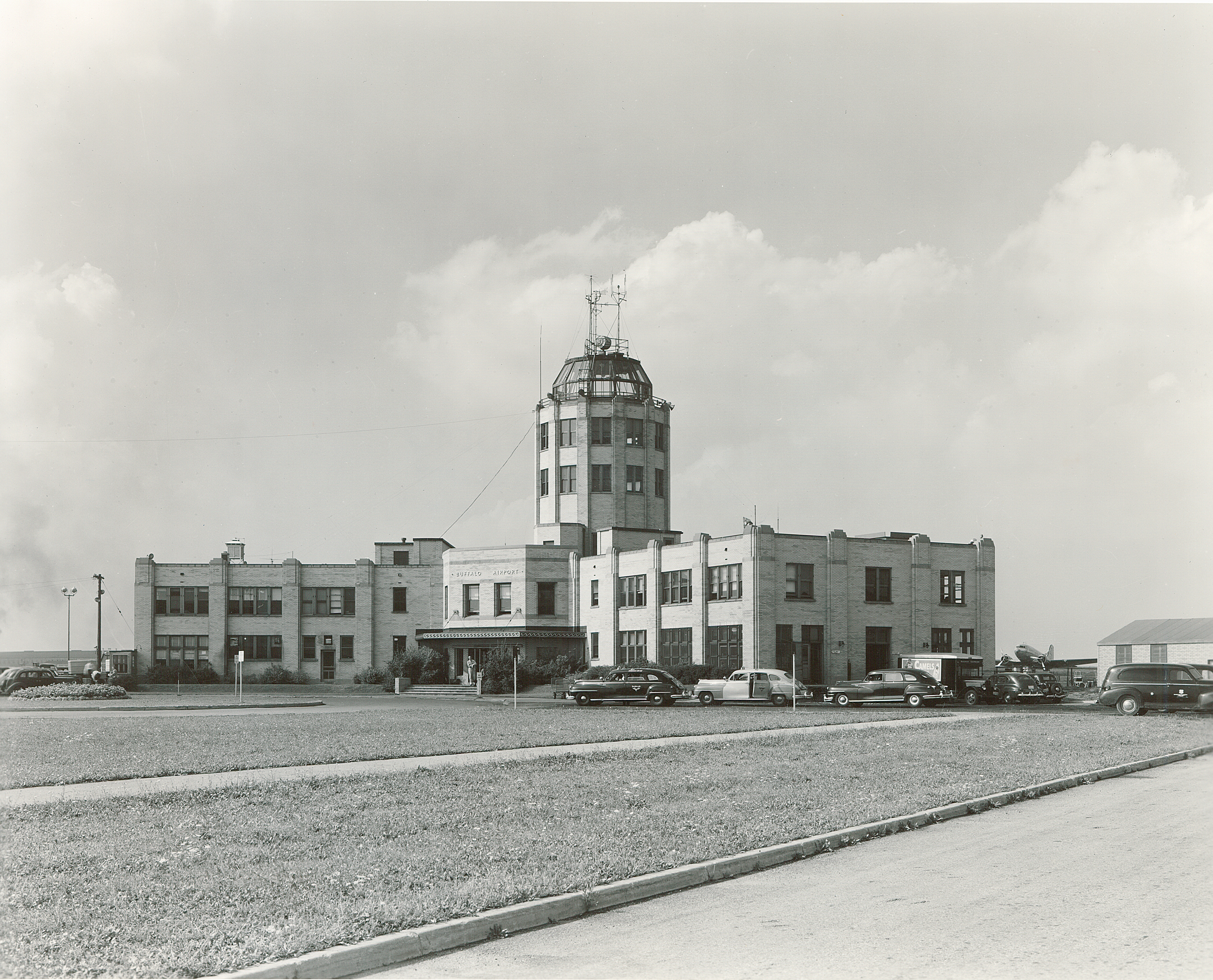
Buffalo Municipal Airport
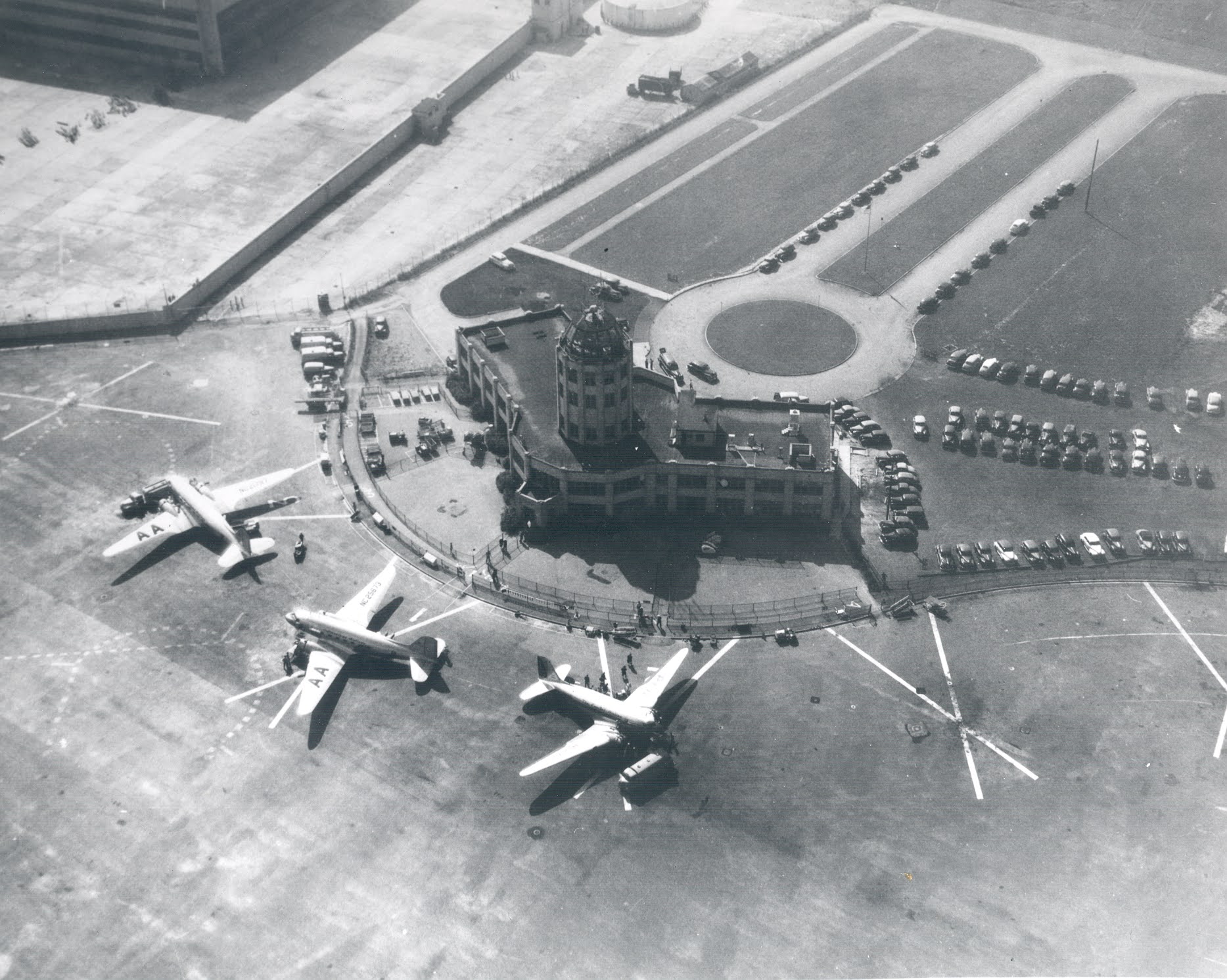
Buffalo Municipal Airport in 1947
The airport saw heavy military use during World War II as well. Curtiss-Wright’s factory employed over 85,000 people; the iconic P-40 Warhawk, one of the most successful aircraft used by the Allied Forces, was manufactured solely at the Buffalo plant. Many of the 13,738 P-40s produced were flown from Buffalo across the US and Canada, to be delivered to the USSR as part of the Lend-Lease Program.
The Army Air Force Training Program also operated at Buffalo Municipal Airport, bringing cadets to the level of education necessary for further training at Army Air Force Flying Schools. They attended classes taught by University at Buffalo professors and instructors, and received flight training from civilian pilots.
Post-war, the airfield was in poor condition due to its heavy use during the war years. Repairs and improvements were made in the late 1940s and 50s, including an expansion to the terminal, to accommodate the rising popularity of civilian air travel.
In 1956, the Niagara Frontier Port Authority, a public body created by the New York State legislature, acquired the airport from the City of Buffalo. Its name was changed to the Greater Buffalo International Airport in 1959. The Port Authority was later assimilated into the Niagara Frontier Transportation Authority (NFTA), which, since its creation in 1967, has continued to operate the airport into the present day.
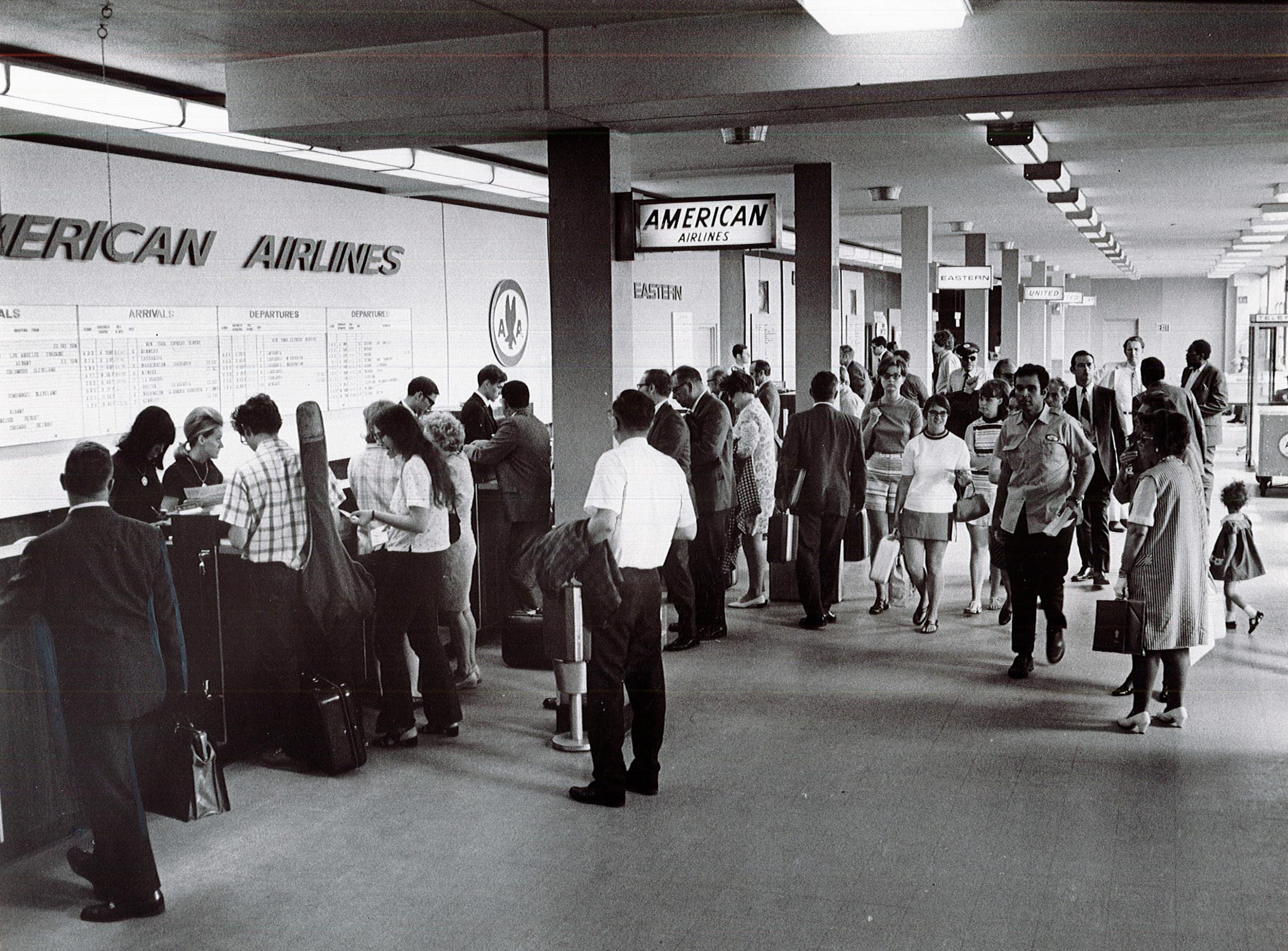
East Terminal ticket counter in 1970
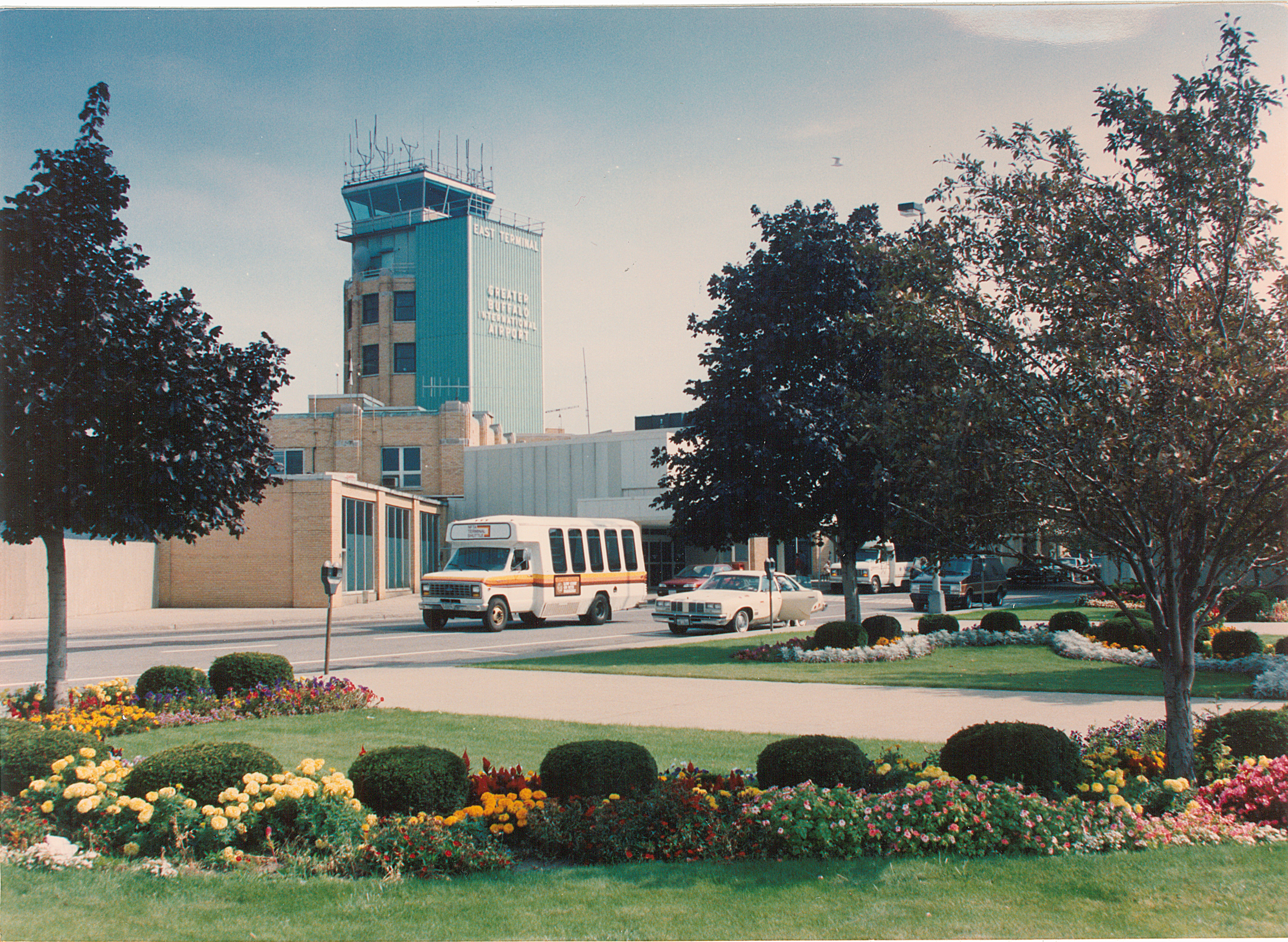
East Terminal, c. 1980s
Over its lifespan, the airport grew from its one original terminal, dubbed the East Terminal, when the West Terminal opened in 1971. Although the West Terminal was originally intended to have a 10-year life expectancy, taking pressure off the East Terminal while NFTA considered opening a new regional airport in Wheatfield, together the two terminals served the region for the next 25 years.
In 1991, it was determined that the aging East Terminal was nearing the end of its useful life. After analysis of potential configurations, a single standalone terminal design was selected, which would require demolition of both East and West Terminals.
On November 3, 1997, the new 15-gate, $56 million terminal was opened. Two historical regional influences were considered in the design of the new terminal: the architecture of Frank Lloyd Wright, and the importance of aviation to the region. The architects envisioned a crystalline structure symbolizing flight, a vision captured by the 27,000 square feet of glass that dominate the lobby, with its 50-foot ceiling and arching white walls. When looked at from the air, the terminal itself looks like a giant aircraft poised for flight.
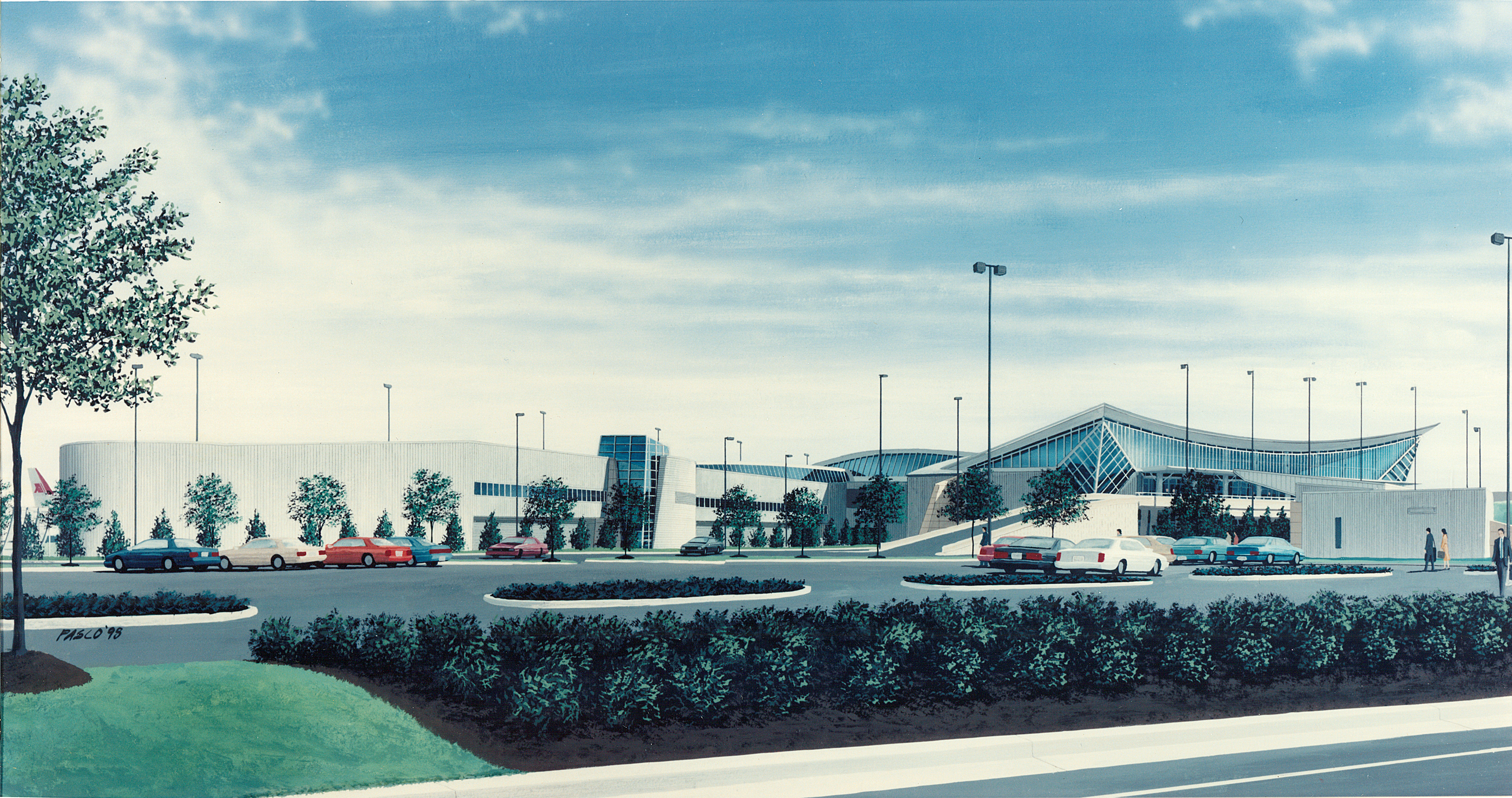
Architect's rendering of the new terminal, 1998
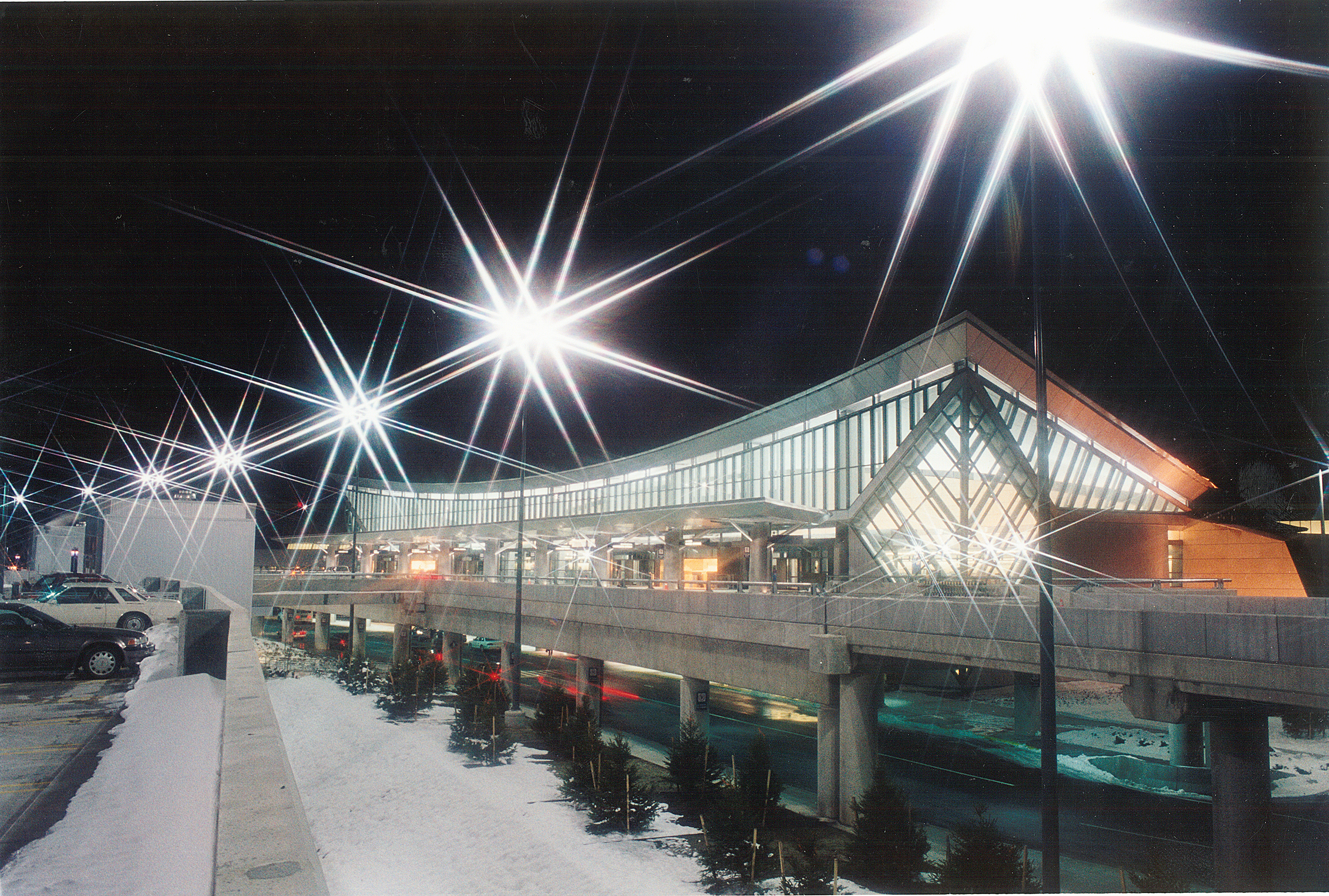
The new terminal at Christmastime
With the opening of the new terminal, the airport was renamed the Buffalo Niagara International Airport.
In the years since, millions of passengers have come and gone through the airport, and with expansions to the east and west concourses it has grown to serve the ever-increasing air travel demands of the 21st century.